
Chronic absenteeism–among students and teachers–is one of the most pressing problems district and building leaders will have to tackle this coming school year. While the sharp rise of absenteeism during the pandemic will come as no surprise to administrators, new data is now making the extent of the challenge even clearer.
Chronic absenteeism climbed across a wide range of school types, with spikes reported by elementary schools (75%), schools with lower student poverty rates (73%), and rural schools (71%), according to data collected from 846 schools in mid-May by the National Center for Education Statistics’ School Pulse Panel.
Compared to a typical pre-COVID school year, 72% of public schools saw an increase in chronic absenteeism. And nearly 40% of schools reported that it was higher this past school than it was in 2020-21. School leaders also said an average of 17% of students were absent more than 10 days in 2021-22.
The problem is not limited to students. Administrators are well aware of teacher shortages–particularly in math, special education and other specialized subjects. But they may not know that 72% of schools reported higher teacher absences in 2021-22 compared to the school years just before COVID.
FETC 2023
The Future of Education Technology® Conference takes place live and in person Jan. 23-26, 2023, in New Orleans. Register now!
“Students thrive in an environment with effective social, emotional, and behavioral support,” said the center’s commissioner, Peggy G. Carr. “So when we see 72% of our public schools report an increase in chronic absenteeism among our students, it poses an opportunity for education leaders to act quickly using tested approaches that work.”
Many administrators are relying on teachers and other staff to contact families of chronically absent students. In a smaller number of districts, particularly those that were remote for longer periods of time, educators are visiting the homes of students with excessive absences, according to surveys conducted by the American Institutes for Research. Districts have been using teachers’ reports, learning management systems and homework submissions to track attendance, those polls also found.
Experts are also encouraging schools to focus on safety and climate as they work to bring back chronically absent students. In high school, for instance, a sense of safety and order–or, more specifically, a sense that rules and behavioral expectations are clear–is one of the main reasons students are likely to return, according to the Fordham Institute’s “Imperfect Attendance” report. Students are also more likely to attend when they feel a sense of belonging and believe that they will get sufficient academic support.
Supporting the superintendent: Why this leader says collegiality is key
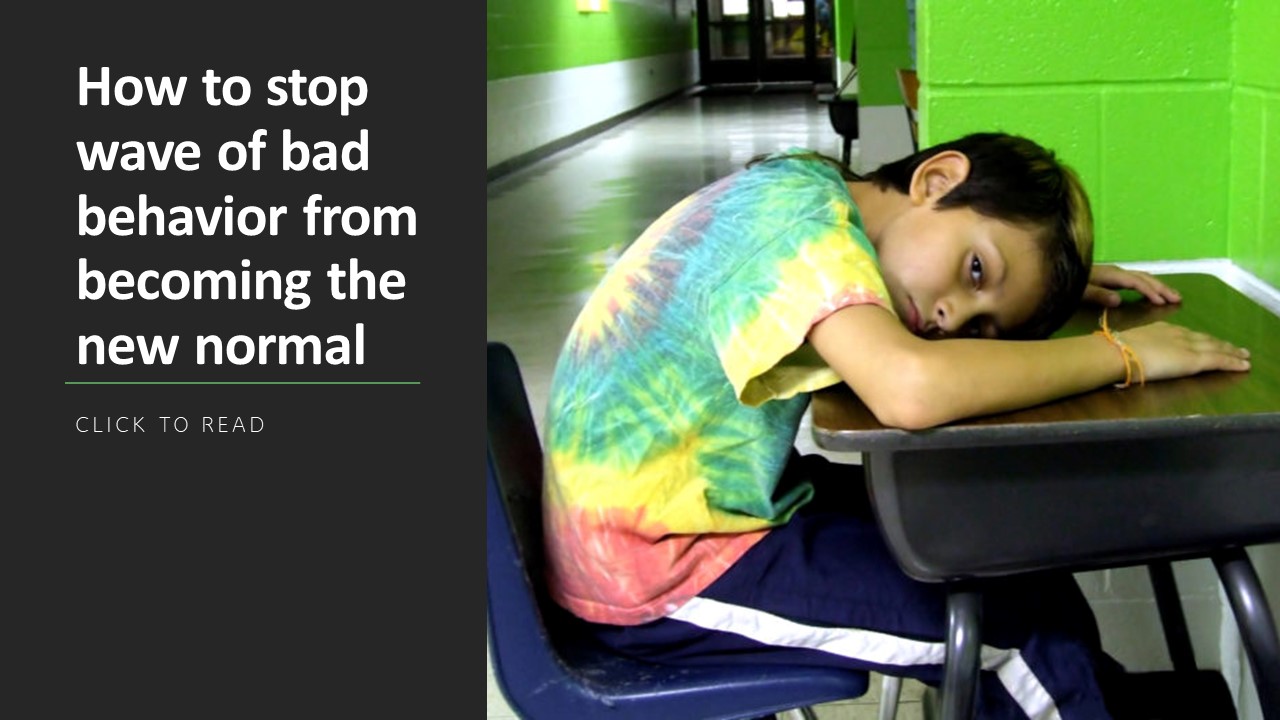
Feelings of safety, however, may be a challenge for administrators in the coming school year. More than 80% of schools say the pandemic has hindered students’ behavioral development, the National Center for Education Statistics analysis found. Around half of the respondents reported disruptive behavior in and outside classrooms and that disrespectful treatment of teachers has increased. The agency also reported that the 93 shootings with casualties in the 2020-21 school year were the most ever recorded at public and private schools.
Educators can get more ideas for reducing chronic absenteeism from Attendance Works and the California Department of Education.