

Many districts, especially those in urban and economically challenged areas, have struggled to fund study-abroad programs.
But educators at District of Columbia Public Schools (50,000 students), who launched a global learning initiative in 2016, say they are seeing a big return on investment from sending students overseas—particularly when it comes to young people who have done little or no traveling.
“While folks may balk at the idea of funding global travel, if you consider studying abroad as an intervention, it really is a cost-effective one for the number and power of the outcomes we are seeing in terms of academic and social-emotional growth,” says Kayla Gatalica, manager of the district’s global programs.
DCPS learning goals
Since 2016, officials of Washington, D.C., schools have funded trips for more than 1,800 eighth-graders- and 11th-graders as well as educator chaperones, who are known as “travel ambassadors.”
More from DA: 4 keys to international field trips
The district also provides travel supplies, such as suitcases and extra clothing, and covers the cost of getting a passport. The initiative was launched with private funding, but is now paid for by the district, at an average cost of $3,500 per student.
All students in the district are eligible. They must apply and attend an interview, but students who have not traveled before are given preference.
Overseas outcomes
District of Columbia Public Schools students who study abroad:
- Are more likely to apply for financial aid by FAFSA
- Apply and get accepted to more colleges
- Score higher on the SATs
- Teachers who have studied abroad:
- Have become more student-centric
- Feel more connected to the entire district and all of its students
A student’s learning goals are also considered; while some may want to master a foreign language, others are more focused on community service, Gatalica says.
Another key aspect of the trips is that they bring together students from different D.C.-district schools. Zack Larson, a travel ambassador who chaperoned a trip to Senegal, says a large majority of his students described themselves as more open-minded about other cultures after returning home. They also bonded over the convenience—even in economically challenged neighborhoods—of life in the U.S.
“The kids will not take things like trash collection for granted ever again,” Larson says.
Becoming a global citizen
Tavon Faunteroy, a student at Ballou High School in Washington, D.C., took his first plane ride—and also experienced jet lag for the first time—when he studied abroad in Seville, Spain, for eight days this past summer.
“It opened my eyes to see how big the world really is,” Faunteroy says. “There are so many more places you can visit.”
Faunteroy also says he enjoyed the new foods he tried. But more lasting may be the project he finished after the trip: a slide presentation reflecting on what it means to be a global citizen.
All students complete the assignment, and Faunteroy dedicated his to a friend who was killed while Faunteroy was in Spain.
“He never got to go on a plane and see the other side of the world,” Faunteroy says. “Being a global citizen means being open to the next experience, getting over adversity, and making something good.”
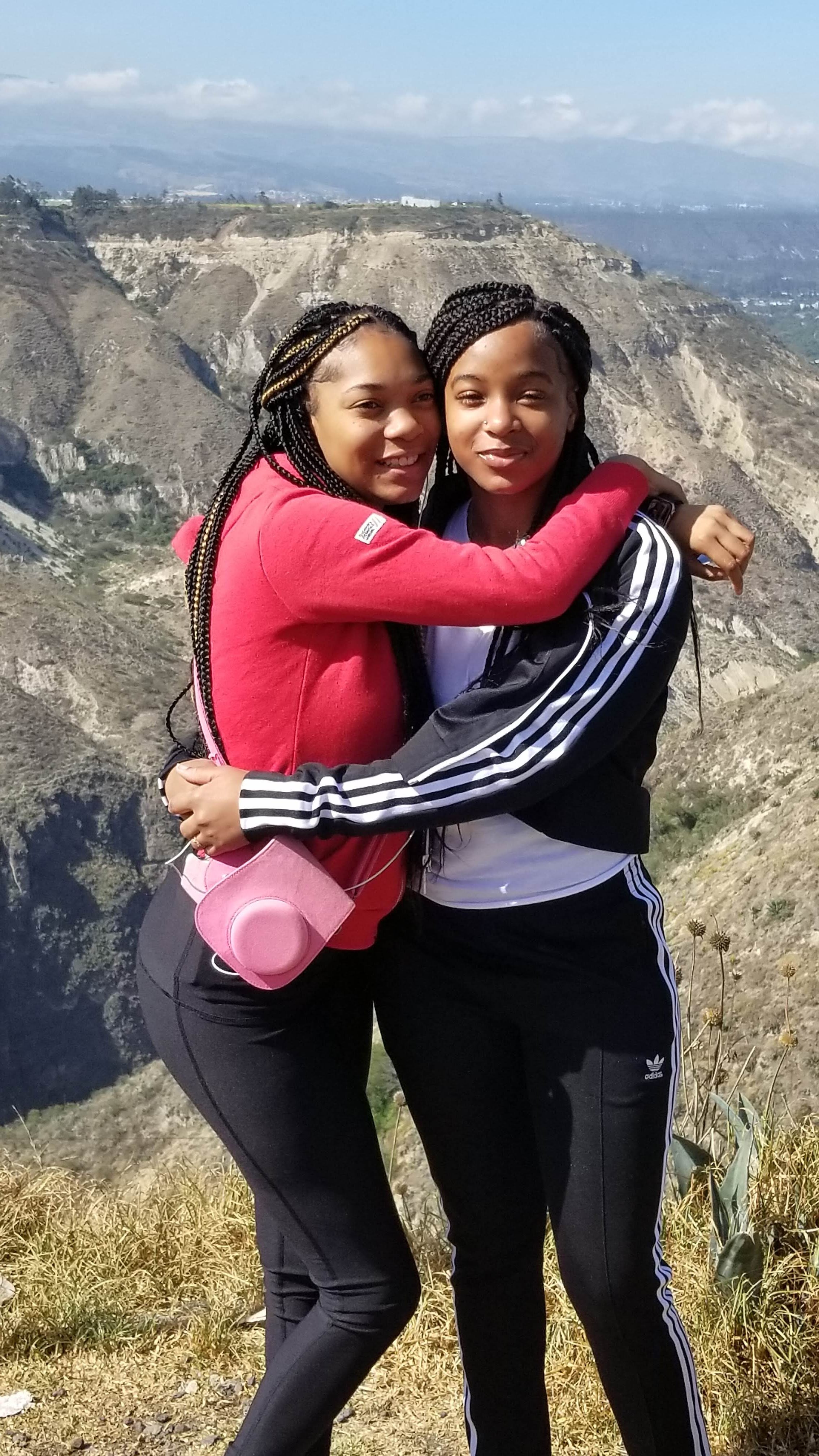
Another Ballou student, Hope Garrett, left the U.S. for the first time when she went to Ecuador over the summer. She said she visited the equator, and got to see how water in a drain swirls in opposite directions on each side of the line. “It gave me a view on how people live outside the U.S.,” Garrett says. “It showed me that life in the U.S. and outside of the country is similar.”
Identity inquiries
Along with being immersed in other cultures, adds Gatalica, the trips force students to examine their own identities. Shy students, for example, may gain more confidence because travel also demands making new friends and sharing powerful experiences.
More from DA: Educators weigh risks and rewards of study abroad
Spanish-speakers, meanwhile, may experience a role reversal while abroad, as they are called upon to help their American classmates communicate in foreign countries.
And an African American student who visited Central America was pleasantly surprised to find people of African descent living there. “He realized the genetic pool of the African Diaspora is worldwide and that he could live anywhere,” she says. “It was a growth point for him in terms of his concept of self.”